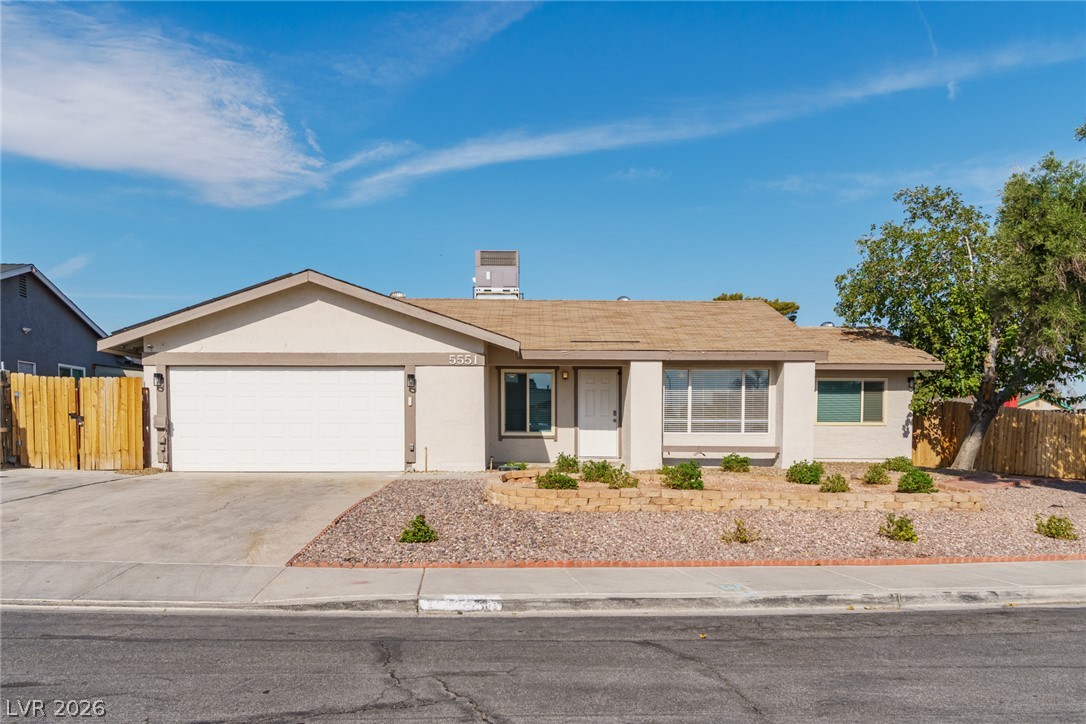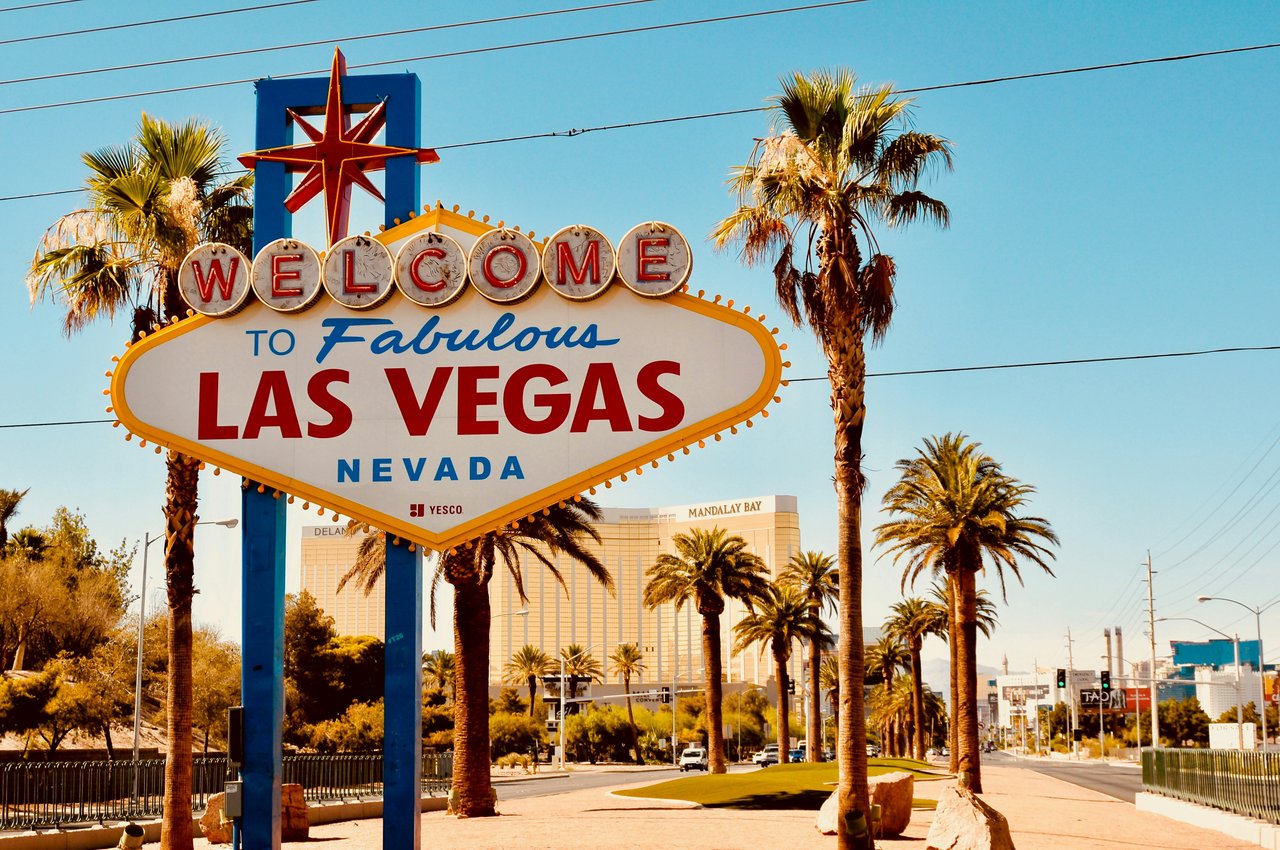
Las Vegas real estate stretches far beyond the neon of the Strip, into a wide valley of residential neighborhoods, master plans, and desert-edge communities where most locals actually live. For residents, this is a city with neighborhood pride, real culture, and striking desert surroundings, not just a tourism capital. The valley gives buyers an unusually wide range of options, from high-rise condos to guard-gated estates.
People are often surprised by how much quiet, everyday life exists here. Areas like Summerlin, Centennial Hills, and Skye Canyon feel a world apart from the resorts, with parks, schools, and trails just minutes from open desert.
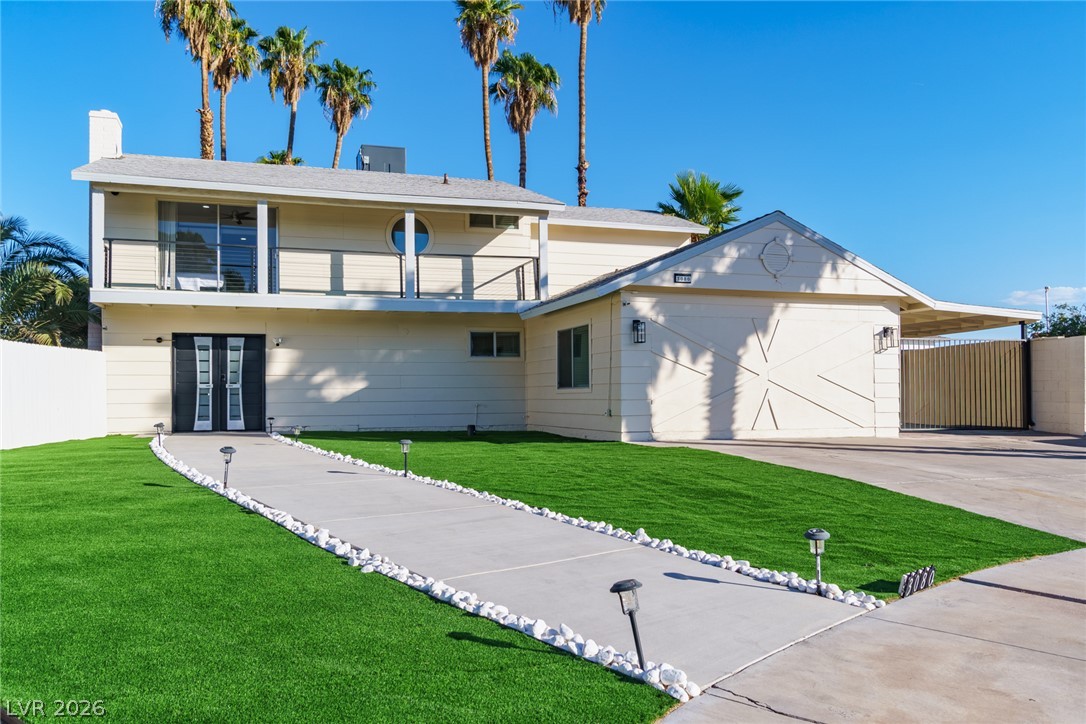
The valley offers a broad selection of property types. Buyers can choose high-rise condos and townhomes, single-family homes, guard-gated residences, golf course properties, new construction, and luxury estates. That range is one of the reasons people from all over the country relocate here.
Summerlin sits on the western edge of the valley across roughly 22,500 acres and is the most sought-after master plan in the region. It combines schools, safety, outdoor access, and amenities in a way few communities match. On the other side of the city, neighborhoods like Centennial Hills, Lone Mountain, Skye Canyon, and Desert Shores give buyers more residential, family-oriented options.
For something different, The Lakes is built around a man-made lake with waterfront homes and private docks, while Downtown has shifted from a pure tourism zone into a genuine residential district for people who want culture and walkability over a backyard. Lot sizes and styles vary enormously across these areas.
Local Tip: If you want the full master-plan experience with schools and trails built in, start in Summerlin. If you want walkability and nightlife at your door, look Downtown or in the Arts District.
| Area | Best For | Style |
|---|---|---|
| Summerlin | Master-plan living, families | Single-family, new construction |
| Centennial Hills | Affordable residential | Single-family suburban |
| Downtown / Arts District | Walkability and culture | Condos, lofts, older homes |
| The Lakes | Waterfront living | Lakefront homes, private docks |
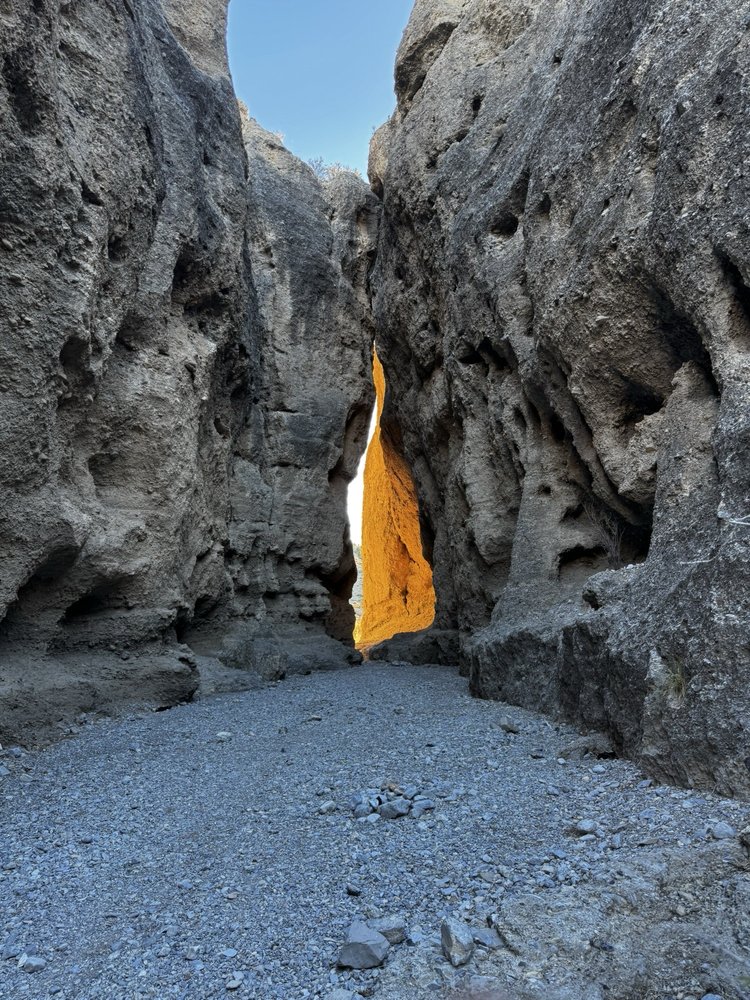
Outdoor living is a real part of life in Las Vegas. The desert setting puts hiking, biking, climbing, and golf within easy reach, and Red Rock Canyon, Lake Mead, and Mt. Charleston are all short drives from the valley. You can hike in the morning and be home by lunch.
Dining runs deep and wide. Beyond the world-famous Strip restaurants, the local scene includes Chinatown Plaza and its surrounding corridor, home to some of the best Asian cuisine in the city, plus cultural markets and neighborhood favorites across the valley.
The city is a true melting pot, drawing people from around the world, which shows up in the food, the festivals, and daily life. Downtown and the Arts District have grown into cultural anchors with galleries, music, and the monthly First Friday event.
Schools across the valley are served by the Clark County School District, with some of the strongest campuses clustered in Summerlin. Getting around is helped by the 215 Beltway, I-15, and US-95, which tie the neighborhoods together and keep the airport close.
Summerlin is the most popular master plan and a top pick for families wanting schools and amenities. Centennial Hills, Skye Canyon, and Desert Shores offer residential calm, while Downtown and the Arts District appeal to people who want walkability and culture.
Absolutely. Most residents live in suburban neighborhoods with parks, schools, and trails, far removed from the tourist areas. The Strip becomes more of an occasional destination than part of daily life.
The valley is served by the Clark County School District, one of the largest in the country. Some of the highest-performing public schools are clustered in Summerlin, and there are also many private and charter options across the city.
Red Rock Canyon offers hiking and climbing on the west side, Lake Mead provides boating and water sports to the east, and Mt. Charleston brings cooler temperatures and even skiing in winter. All are within a short drive of most neighborhoods.
It depends heavily on the neighborhood, with luxury master plans like Summerlin sitting well above more affordable suburban areas. Nevada also has no state income tax, which is a meaningful draw for many people relocating here.
It is one of the city's strongest features. Alongside the high-end Strip restaurants, the local scene includes Chinatown's Asian cuisine and countless neighborhood spots that reflect the city's many cultures.
Yes, the valley is well connected by the 215 Beltway, I-15, and US-95, which link the residential areas to the Strip, Downtown, and Harry Reid International Airport. Most commutes within the valley are manageable.
1,631,414 people live in Las Vegas, where the median age is 40 and the average individual income is $36,723. Data provided by the U.S. Census Bureau.
Total Population
Median Age
Population Density
Average individual Income
There's plenty to do around Las Vegas, including shopping, dining, nightlife, parks, and more. Data provided by Walk Score and Yelp.
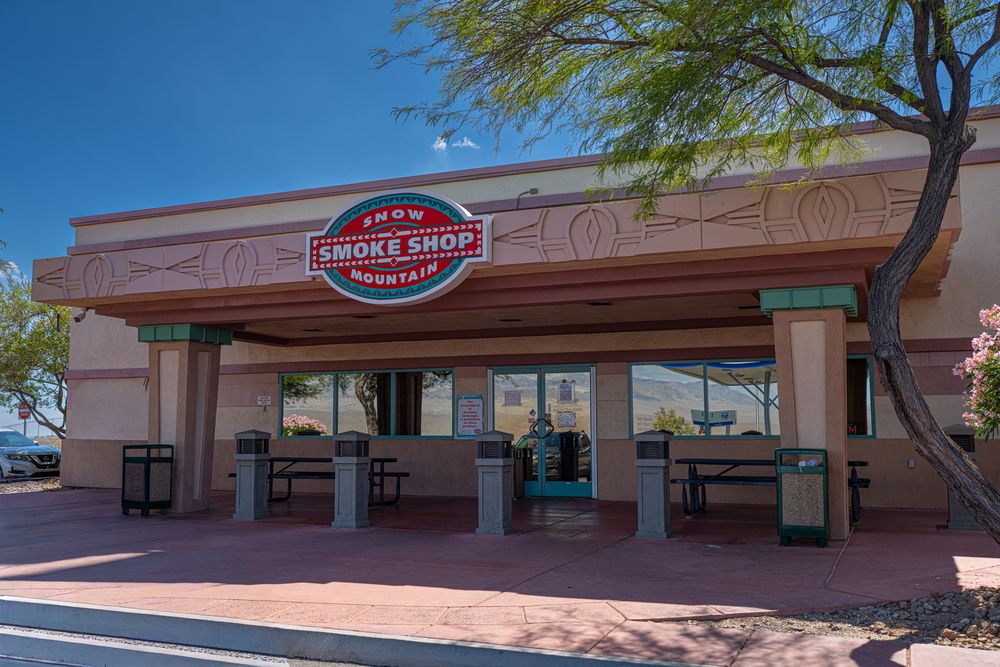
Explore popular things to do in the area, including Snow Mountain Smoke Shop, Chevron, and Triple Crown Fitness.
| Name | Category | Distance | Reviews |
Ratings by
Yelp
|
|---|---|---|---|---|
| Dining · $ | 4.68 miles | 29 reviews | 3.2/5 stars | |
| Dining | 4.68 miles | 1 review | 5/5 stars | |
| Active | 2.34 miles | 0 reviews | 0/5 stars | |
| Active | 3.07 miles | 1 review | 4/5 stars | |
| Active | 4.15 miles | 4 reviews | 4.3/5 stars | |
|
|
||||
|
|
||||
|
|
||||
|
|
||||
|
|
||||
|
|
Las Vegas has 605,879 households, with an average household size of 3. Data provided by the U.S. Census Bureau. Here’s what the people living in Las Vegas do for work — and how long it takes them to get there. Data provided by the U.S. Census Bureau. 1,631,414 people call Las Vegas home. The population density is 8,560 and the largest age group is Data provided by the U.S. Census Bureau.
Total Population
Population Density Population Density This is the number of people per square mile in a neighborhood.
Median Age
Men vs Women
Population by Age Group
0-9 Years
10-17 Years
18-24 Years
25-64 Years
65-74 Years
75+ Years
Education Level
Total Households
Average Household Size
Average individual Income
Households with Children
With Children:
Without Children:
Blue vs White Collar Workers
Blue Collar:
White Collar:
Explore Other Neighborhoods
2230 Corporate Circle Drive Suite 250 Henderson, NV 89074
2230 Corporate Circle Drive Suite 250 Henderson, NV 89074